Request furnace repair for a property in Brantford. Include the equipment, the problem or planned work, and your location so the request can be reviewed.
What should be checked when a furnace will not start or heat evenly?
A furnace that will not start, produces uneven heat, or makes an unfamiliar sound needs diagnosis based on its actual operating conditions. The service request can identify the fuel, furnace type, and symptoms, but readings taken during inspection help distinguish ignition or control faults from burner, motor, or airflow problems. Repair decisions also depend on the condition of the heat exchanger, component availability, and whether the furnace is single-stage, two-stage, or modulating.
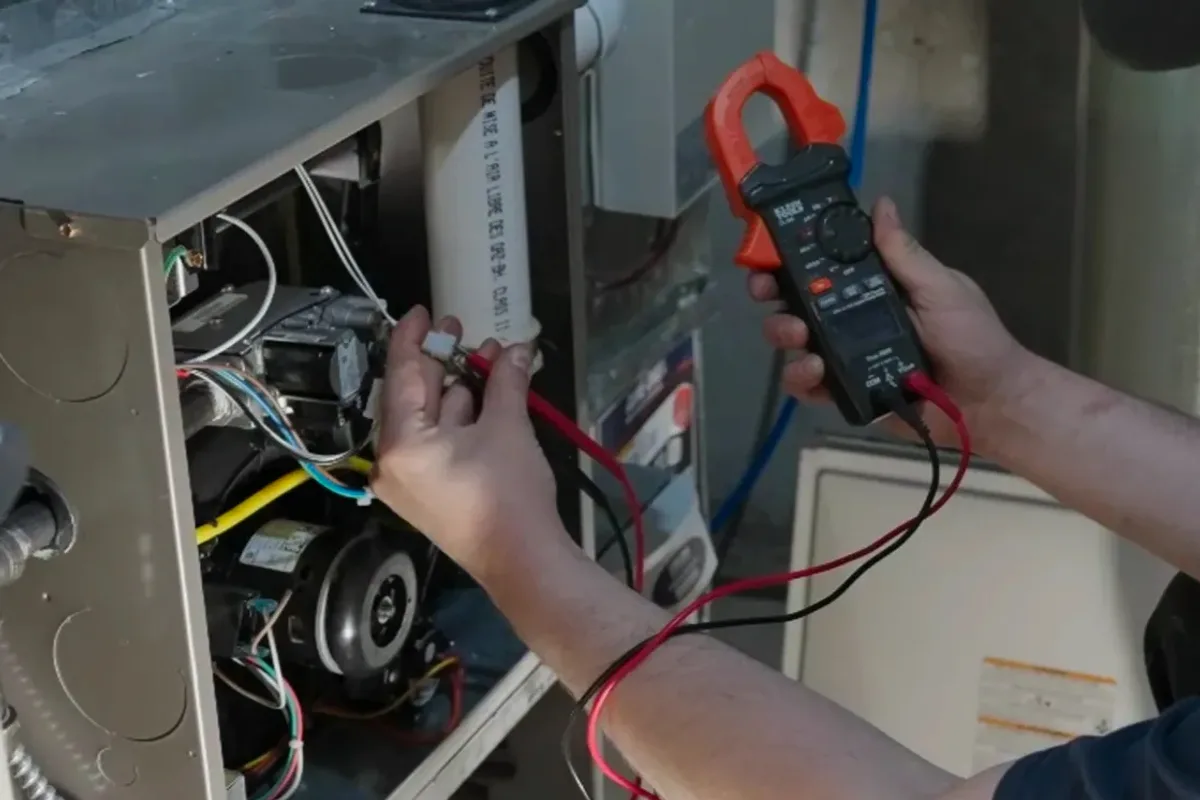
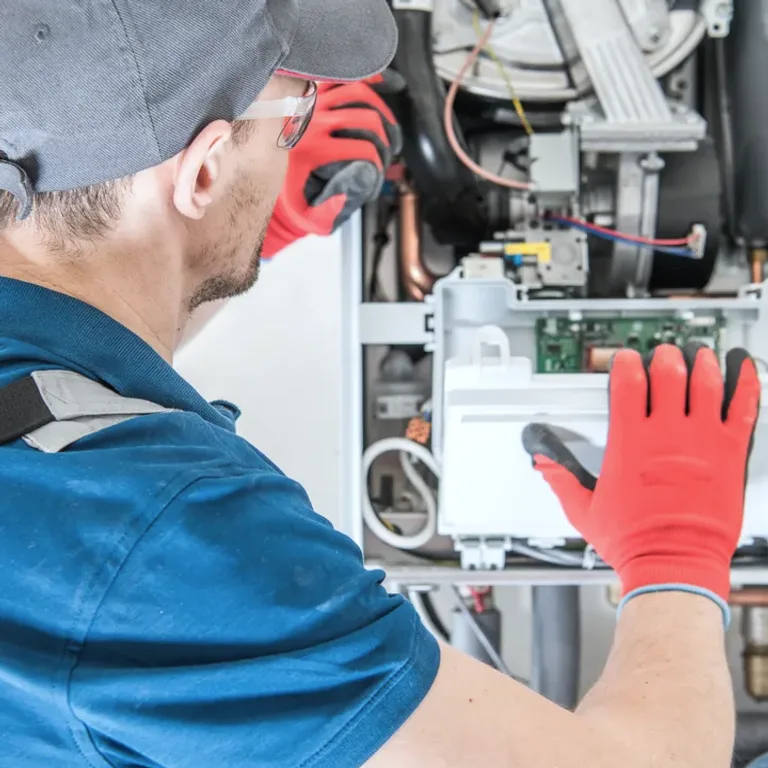
Diagnosis may involve combustion, gas-pressure, electrical, and airflow measurements rather than replacing a part based on symptoms alone. The recorded readings help establish whether a fault lies in ignition, a sensor, a motor, a control, or the venting path. Fuel type and furnace design matter because gas and propane systems, and different firing stages, have distinct operating requirements.
Gas and propane furnace fault diagnosis
Ignition, burner, airflow, and control repairs
Maintenance findings and repair-versus-replacement decisions
Assessment and Scope
Questions for the Proposed Work
01
Use operating readings to identify the fault
A no-start condition can involve an ignition component, a pressure switch, a control, or an interrupted operating sequence. Unusual burner behaviour or repeated shutdowns call for checking combustion and gas pressure, while a running furnace with weak heat may point toward airflow or a blower issue. Measurements from appropriate instruments help narrow the cause and support a repair decision without assuming that the first visible symptom identifies the failed part.
02
Separate a repair from maintenance findings
A repair addresses a diagnosed fault; maintenance is an inspection and service based on the furnace's condition and manufacturer instructions. Burner condition, airflow restrictions, filter fit, venting, and thermostat operation can all affect how the system runs. Inspection findings determine whether cleaning or adjustment is appropriate. Maintenance cannot substitute for repairing a failed ignition component, motor, control, or other part that prevents safe, reliable operation.
03
Compare repair needs with replacement scope
The furnace's age alone does not determine whether repair or replacement makes sense. The condition of the heat exchanger, frequency and nature of faults, parts availability, and the cost and scope of the proposed work are relevant comparisons. A single-stage gas furnace, a propane furnace, and a two-stage or modulating model may also require different parts and controls. A clear diagnosis makes those options easier to evaluate.
Compare the next step
Keep the immediate repair quotation separate from an equipment selection for the renovated home. Ask what load information will be updated after insulation or window work and whether the retained distribution remains suitable. Record the renovation assumptions so a future bidder does not simply reproduce the previous furnace capacity.
Leave burner, fuel, venting, electrical, and internal equipment work to a qualified contractor. Do not bypass a safety switch or repeatedly reset a furnace.